
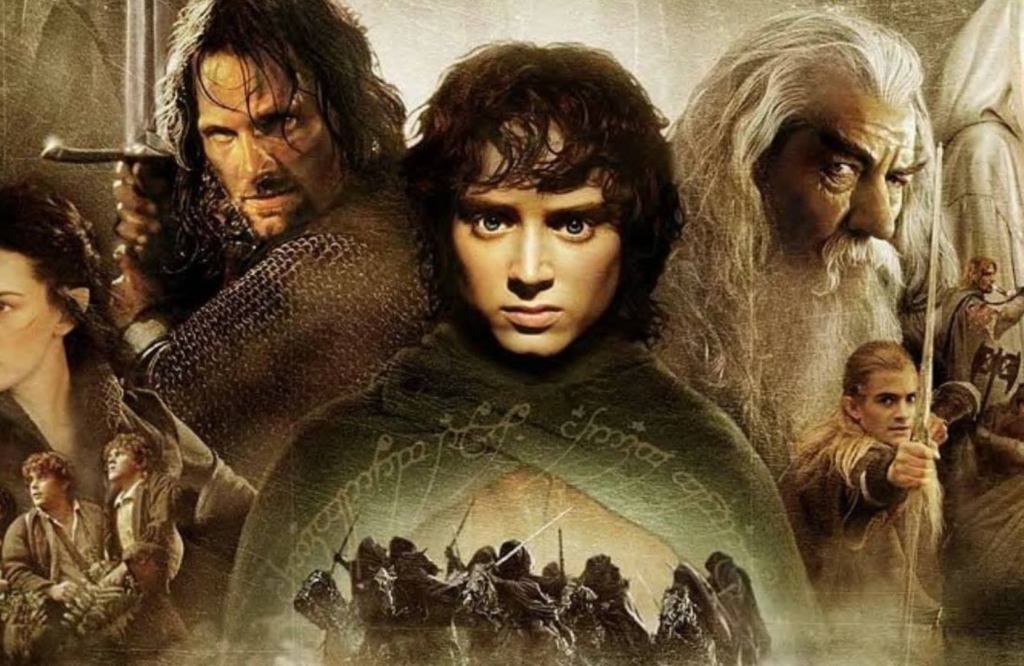
So, we’re gonna do something a little different today. Normally the cocktail is paired with a review, but honestly, what more can you really say about the Fellowship of the Ring? The first section of J.R.R. Tolkien’s epic fantasy masterwork was a huge gamble even back in the day. The story behind the production of this thing is incredibly interesting, and when you learn more about how this thing was made, you really start to realize how far we’ve been removed from this level of Hollywood. Sure, technologies have advanced and many things have been made easier, but there’s just something missing from nearly every movie that has tried to capture the grandness and the glory of this thing. And, no, this isn’t gonna be a “modern movies are bad” retrospective. I’m not clinging to the past while being unwilling to engage with the future, but there’s gotta be a reason that nothing has given audiences the same feeling as Fellowship of the Ring did, and probably never will again.
First and foremost, the entire Lord of the Rings trilogy was based around the vision and the direction of one man: Peter Jackson. There was no committee, brand managers or suit and ties assembled to build this thing. They trusted Jackson and they gave him complete creative control. Now, don’t get it twisted; Jackson is not the sole reason for this film being as incredible as it is. You have to give credit to people like Fran Walsh and Philippa Boyens, who helped adapt the original book to film. It is not a one-for-one adaption, and as someone who has read the first book, that’s kind of for the best. This thing definitely needed to be streamlined in order to make it relatively compact and sensible, and that is certainly no easy feat. Pour one out, Tom Bombadil fans. Our man’s been erased from history. But someone else you need to give props to is, and I kid you not, the studio. Normally we see studios as the most meddling enemies of art under the sun, but back in the 90s, there was still a semblance of humanity to them. Jackson and his team originally were wanting to adapt the book into separate films, but the studio actually pushed to make it a trilogy that would be shot back to back to back.
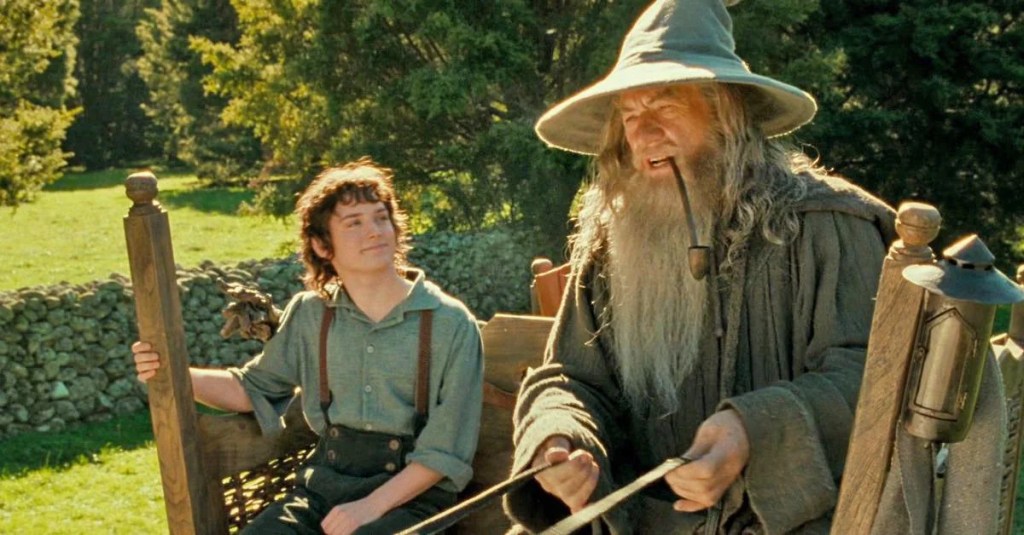
And there was no safety net either; those movies were happening whether they were a success or not. Nowadays, studios are canceling finished movies before they even hit the screen, but this was even a bit of an unprecedented move back in the day. This was produced by New Line Cinemas who, at the time, were mostly known for their low-budget horror movie staples. Evil Dead, Nightmare on Elm Street, Friday the 13th, Austin Powers; these were the movies they were mostly known for, not sweeping fantasy epics. The same could be said about Peter Jackson. Before this, he was making scrappy independents like Bad Taste and, personal favorite of mine, Braindead. But Jackson was impassioned, having been working on the treatments and storyboards of this thing for years as it jumped through many different distributors before finding a home at New Line. And, you know, filmmaking was changing. Jurassic Park had just come out and totally redefined what was possible with special effects. Now was the time to do this, and Peter was ready to put his whole peter in this.
But some of the most work that was done for this film happened before the cameras even started rolling. This thing had about two to three years of pre-production, which is absolutely nuts to think about. Nowadays you already need to have the movie half-made before you can convince a partner to help finance it. But Jackson and his team were given the time and resources to make this thing as perfect as they could. From the costumes to the environments to the languages, everything was given an ample amount of time to develop before anyone ever pressed record. It’s insane to think about this happening today, especially considering this was still a huge gamble for all parties involved.
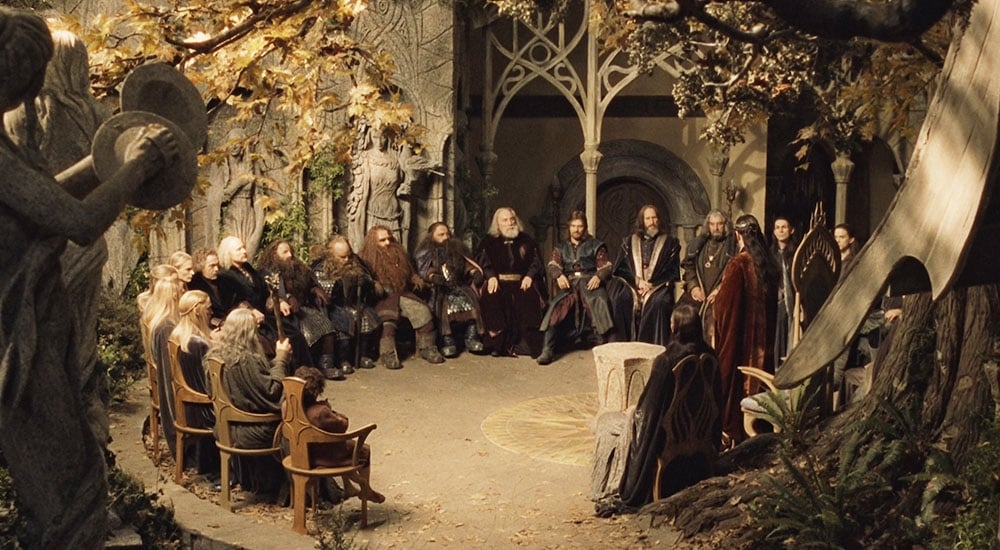
And a big reason why this film still holds up today is that level of craft. There’s a timelessness to it that works wonders, and I don’t know if there’s a single shot in this that doesn’t have something to be impressed by. Miniatures and bigatures gave these grand, otherworldly settings so much groundedness and life, while the New Zealand countryside was equal amounts of beauty and empty to really build a staggering fantasy world from the ground up in. While technologies like WETA allowed the filmmakers to craft huge armies without the need for millions of extras, the team still had to be creative in how it approached legitimizing what audiences would see on screen. There’s no better example than with how they used forced perspective to make someone appear larger or smaller than they are. Today, and even back then, many would just stitch the actors into the scene and hope everything would look natural. That nearly killed Ian McKellen, and I’m glad they held off on doing that for at least most of this.
But we’ve talked about the work and the care that went into this, but honestly, so many people are watching movies without thinking about that stuff. So, what really makes this a timeless classic in the eyes of the common viewer? Well, for one, there’s a true sincerity to it. Movies are so bogged down today in irony and this winking and nodding BS that almost makes them feel like they’re embarrassed to be here. But not with this film. Every uggo orc or weird little goblin feels just as emotionally intertwined with the film as our heroes. The film isn’t afraid to be vulnerable and true to itself, and yet it still finds a way to capture that mythical quality that can be found in tales from every known civilization. The idea of deconstructing heroes and legends wasn’t really in the cards at this time, so going full-fledged into its universal themes of friendship, sacrifice and temptation was the only hope it had. These fantasy characters are given room to not just be archetypes, but to grow, change and evolve in the world right before our eyes, because their emotional development is just as important as seeing a quest go from point A to point B. Frodo is the centerpiece here, and it’s that reason that probably makes this my favorite of the trilogy. In my opinion, it perfectly captures that idea that even the smallest heart can change the world if given support and love. But every side character still feels integral, effortlessly filling out this world without the need for excessive exposition or explaining to the audience. Except for the opening, but it’s one of the best openings to a film, ever. What can you do?
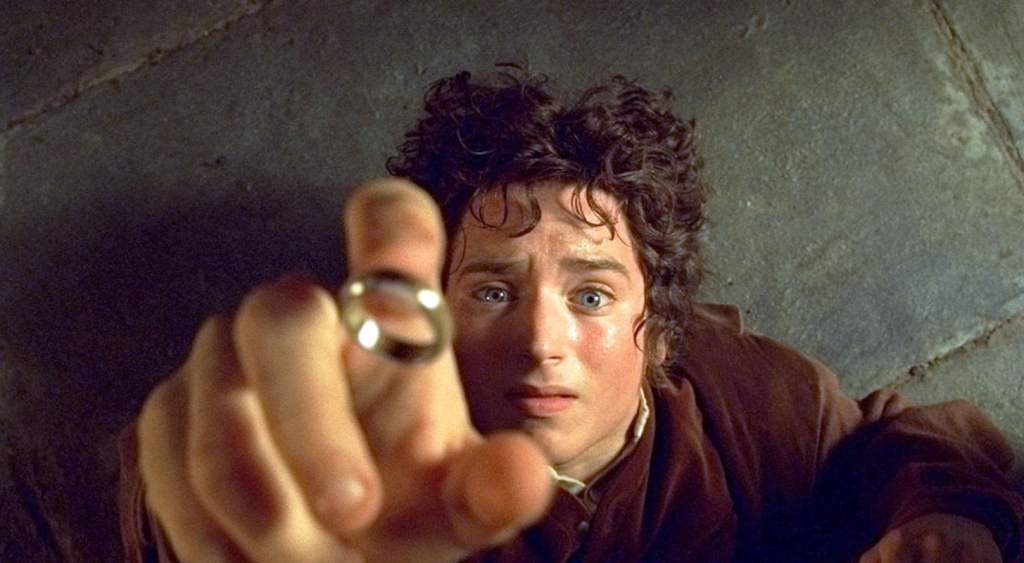
I really got an itch for Lord of the Rings a few years ago, and I’ve been chasing their high ever since. Sure, there’s some older films like Dragonslayer that shows this kind of film has always been in the zeitgeist, but when I look to more modern offerings…nothing compares. This was not something a studio could just decide to do one year and have it done by the next. This took a significant period of nurturement that Hollywood just doesn’t want to fully take a risk on. Avatar is probably the closest that comes to mind, and Dune isn’t too far behind, but even now I fear for how long those films can continue to get the treatment not offered to many in this day and age. And nowadays everything’s gotta shake up the culture; it’s gotta give you the next big memeable screengrab or spawn a dozen spinoffs and sequels. But Fellowship wasn’t made to trend; it was made to endure, and endure it has. With the combination of a risk-taking studio, a passionate director, a unified team and all the patience and trust in the world, Fellowship of the Ring, and the Lord of the Ring trilogy as whole, is true lightning in the bottle kind of stuff. Modern movies can still reach these heights, but the conditions in which this thing was made are long gone, and I don’t think they’re ever coming back.
RATING
EYE OF SAURON

Gazing out at Middle Earth in search of your favorite piece of jewelry can work up quite a thirst. While the real Eye of Sauron doesn’t have a mouth, you do (hopefully)! Which means you can enjoy this cocktail made in the Dark One’s image, which contains floral, fruit and spice notes that make for a refreshing yet imposing cocktail. I imagine it’s better than whatever dirt-water ale they’re drinking over in Hobbiton.
INGREDIENTS
- 2oz gin
- 1/2oz ancho reyes chile liqueur
- 3/4oz blood orange juice
- 1/2oz lime juice
- 1/4oz grenadine
- 3 dashes hot sauce
- Top: Soda water (optional)
- Garnish: blood orange wheel
- Garnish: maraschino cherry
INSTRUCTIONS
- Add ingredients to a shaker and shake with ice.
- Strain into tall glass filled with ice.
- Top with soda water if desired
- Skewer maraschino cherry with blood orange wheel to make the eye garnish
 The Martini Shot